
Solar panels for your home
Rooftop solar sized to what your home actually uses.
A residential solar system turns daylight into electricity your home uses first, and sends whatever is left over to the grid. The size that makes sense is set by how much electricity you use, how much sun your roof gets, and how much of that roof can actually carry panels — not by how big the house is.
We design to your last twelve months of usage rather than to a round number. An oversized array in California is worse than a right-sized one: under the state's current net billing rules, exported power is credited at a fraction of the retail rate, so kilowatt-hours you export are worth far less than the ones you use yourself.
Every design starts with a site visit. Roof condition, rafter spacing, main panel capacity, shading from trees and neighbouring buildings, and your utility's interconnection requirements all change what can be installed and what it costs.
What the job includes
- Site assessment: roof condition, structure, shading and electrical service
- System design and a written proposal with the production estimate behind it
- Structural and electrical engineering where the building department requires it
- Permit applications and coordination with the city or county
- Installation, including mounting, wiring, inverters and monitoring
- Inspection and utility interconnection, through to permission to operate
Worth knowing before you buy
- How many panels will fit on my roof?
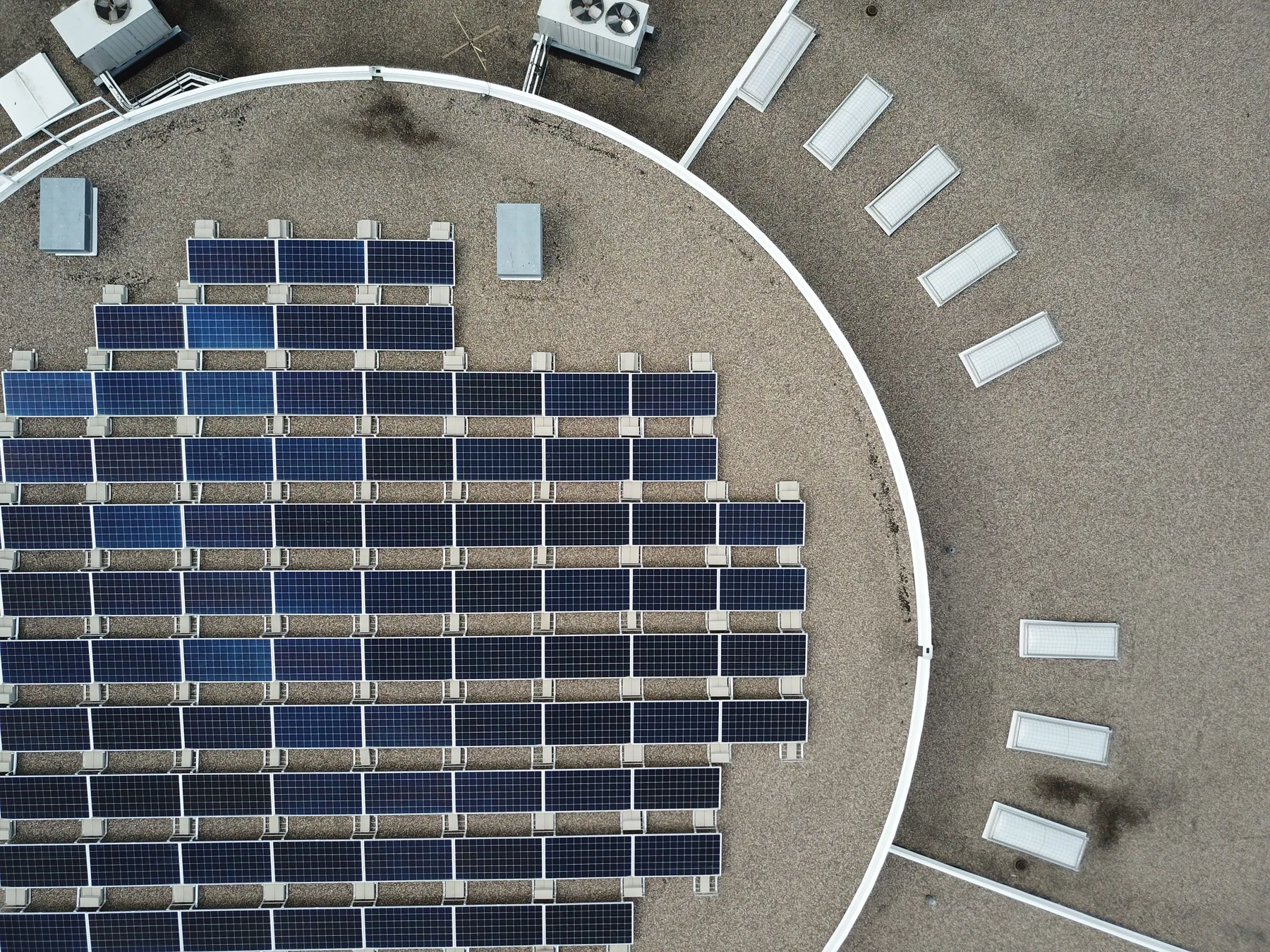
- It depends on usable roof area, not total roof area. Setbacks required by the fire code at the ridge and eaves, vents, chimneys, skylights and any plane facing too far from south all come out first. As a rough guide, a modern panel takes about 21 square feet, and roughly half a typical roof ends up usable. The calculator on our home page lets you trace your own roof on the aerial photo to get a real figure.
- Does my roof need replacing first?
- If your roof has less than about ten years left, it is usually cheaper to replace it before the panels go on than to remove and reinstall an array later. We will tell you honestly which situation you are in at the site visit, and point you to a roofer if that is what you need first.
- What is NEM 3.0 and does it change anything?
- California's current net billing tariff credits exported solar power well below the retail rate you pay for imports. It does not make solar uneconomic, but it changes the design: self-consumption matters much more than it used to, systems are sized closer to actual usage, and battery storage improves the return more than it did under the older rules.
Your home. Your energy. Your future.
Find out what your home could save in about a minute.