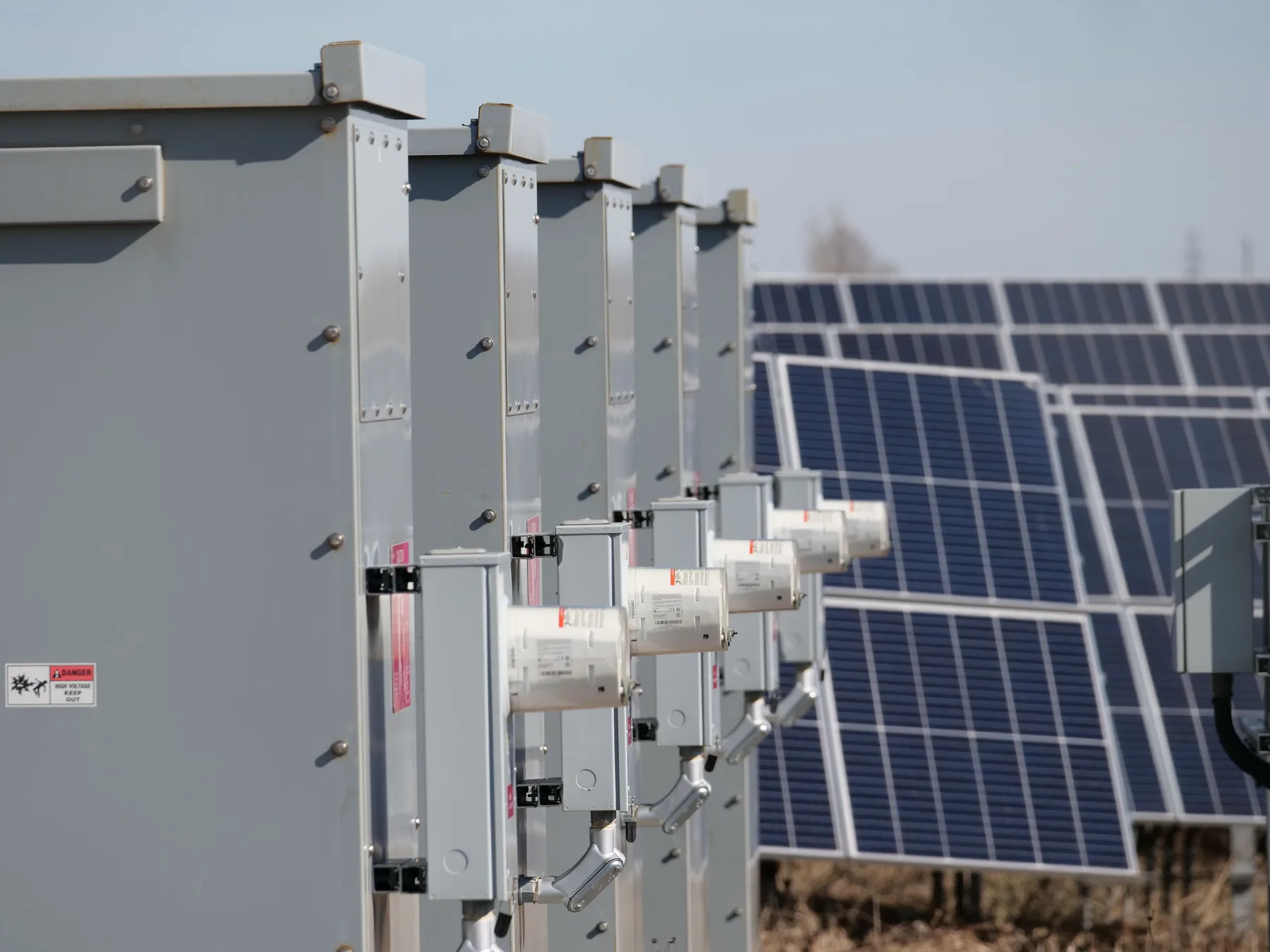
Home battery storage
Keep the lights on in an outage, and use more of your own solar.
A home battery does two separate jobs, and it is worth being clear about which one you are buying. It carries your essential circuits through a power cut. And it stores solar you generate in the middle of the day so you can use it in the evening instead of exporting it for a small credit.
The two jobs want different sizes. Backup duration is set by how much of the house you want running and for how long; economic benefit is set by how much surplus your array actually produces on an average day. A second battery roughly doubles how long you can ride out an outage — but it adds very little to savings once the first one is already absorbing most of the surplus.
We size for essential loads by default: refrigeration, networking, some lighting and outlets, and whatever else you nominate. Whole-home backup is a different product at a different price, and we will quote it as such rather than quietly assuming it.
What the job includes
- Load assessment: which circuits you want backed up and for how long
- Battery and inverter sizing for both backup duration and daily solar surplus
- Backup subpanel or transfer equipment, so protected circuits are separated
- Permitting and inspection, including any required fire-safety clearances
- Installation and commissioning, with monitoring set up before we leave
Worth knowing before you buy
- How long will a battery run my house?
- For essential circuits only, a single ~13.5 kWh pack typically covers a meaningful part of a day — the exact figure depends entirely on what you put on the backup panel. Air conditioning, electric ovens and pool pumps consume a battery quickly; a fridge, lights, wifi and phone charging barely touch it. We work this out from your actual circuits at the site visit.
- Will a battery pay for itself?
- Sometimes, and it depends on your tariff. Where exported power is credited below retail — which is the case across California under NEM 3.0 — every kilowatt-hour you shift from export to self-use is worth the difference between the two rates. Our estimator models this. It also models the point at which extra storage stops adding savings, because that point is real and most quotes do not mention it.
- Can I add a battery to solar I already have?
- Usually yes. Whether it is straightforward depends on your existing inverter: some systems accept AC-coupled storage easily, others need equipment changed. We check what you have before quoting anything.

Your home. Your energy. Your future.
Find out what your home could save in about a minute.